USD
USD INR
INR
Als
अग. 05, 2026

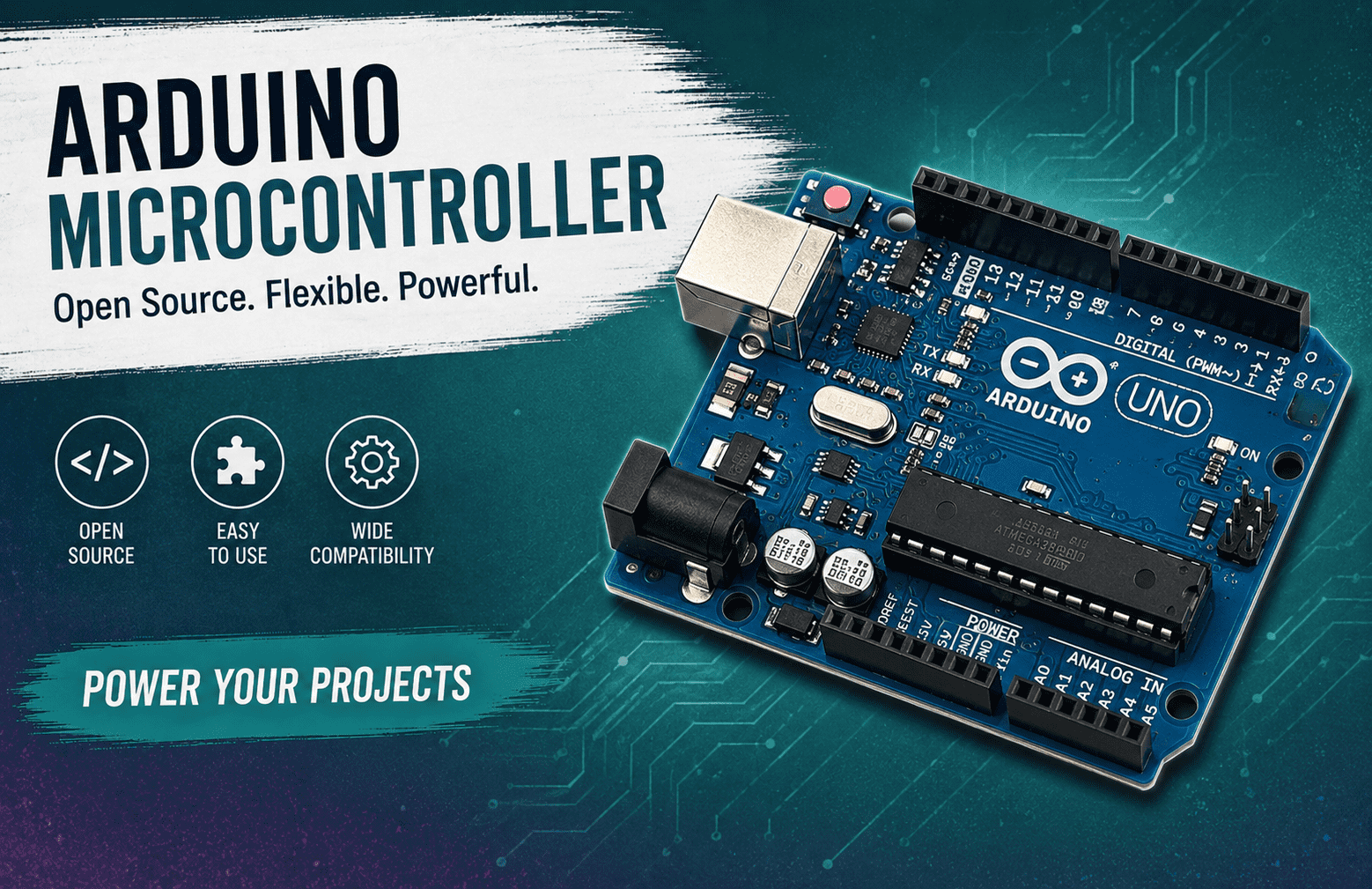
Arduino sensor modules are one of the easiest ways to add smart functionality to electronics projects. Whether you are building a robot, automation system, smart home project, security system, or educational model, sensors help your circuit detect real-world conditions and respond accordingly.
A sensor module can detect things like light, temperature, motion, distance, sound, gas, moisture, vibration, and more. These readings can then be processed by a microcontroller such as Arduino, ESP8266, ESP32, Raspberry Pi, or other development boards.
Sensor modules make electronics projects more interactive. Instead of only turning a device on or off manually, sensors allow your project to react automatically based on the surrounding environment.
For example, a light sensor can turn on a lamp when it becomes dark. A temperature sensor can activate a fan when heat increases. A motion sensor can trigger an alarm when movement is detected.
This makes sensor modules very useful for students, hobbyists, engineers, and makers.
There are many types of sensor modules available for different project needs. Some common options include:
Each sensor has a specific purpose and can be selected based on the project requirement.
Most Arduino sensor modules are designed for simple connection and easy testing. Many modules come with ready-to-use pins such as VCC, GND, digital output, and analog output.
This makes them beginner-friendly and suitable for classroom projects, college assignments, lab experiments, and prototype development.
With basic coding, users can read sensor values and control devices like LEDs, buzzers, motors, relays, displays, and wireless modules.
Sensor modules are used in many electronics and automation projects, such as:
Before selecting a sensor module, it is important to understand what your project needs to detect. You should also check the operating voltage, output type, compatibility with your board, and wiring requirements.
Choosing the right sensor helps improve project accuracy, stability, and performance.
Arduino sensor modules are small but powerful components that help electronics projects interact with the real world. They are easy to use, affordable, and suitable for beginners as well as advanced users.
At Dotfry, you can explore a wide range of sensors, Arduino modules, electronic components, and robotics parts for your next project.
Arduino sensor modules help electronics projects detect temperature, light, motion, distance, gas, moisture, and other real-world conditions easily.
Arduino Sensor Modules for Smart Electronics Projects
Learn how Arduino sensor modules work, their types, benefits, and uses in robotics, automation, IoT, smart home, and DIY electronics projects.
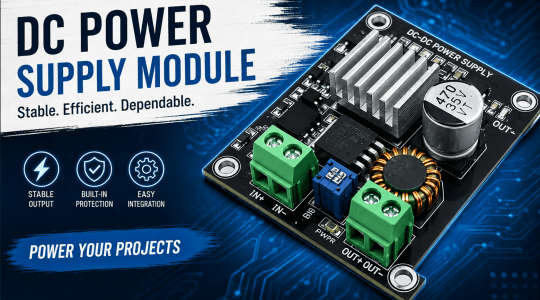
Power supply modules provide stable voltage and current for Arduino, robotics, IoT, LED, motor, and DIY electr...

अग. 05, 2026
जून 23, 2026

जून 23, 2026
Cookie preferences